What to Expect During an Interior Design Consultation
Sometimes a room simply does not feel right. The windows may look empty, the sunlight may feel too strong, or the colors and fabrics may no longer match your style. You know you want to make a change, but deciding where to begin can feel difficult.
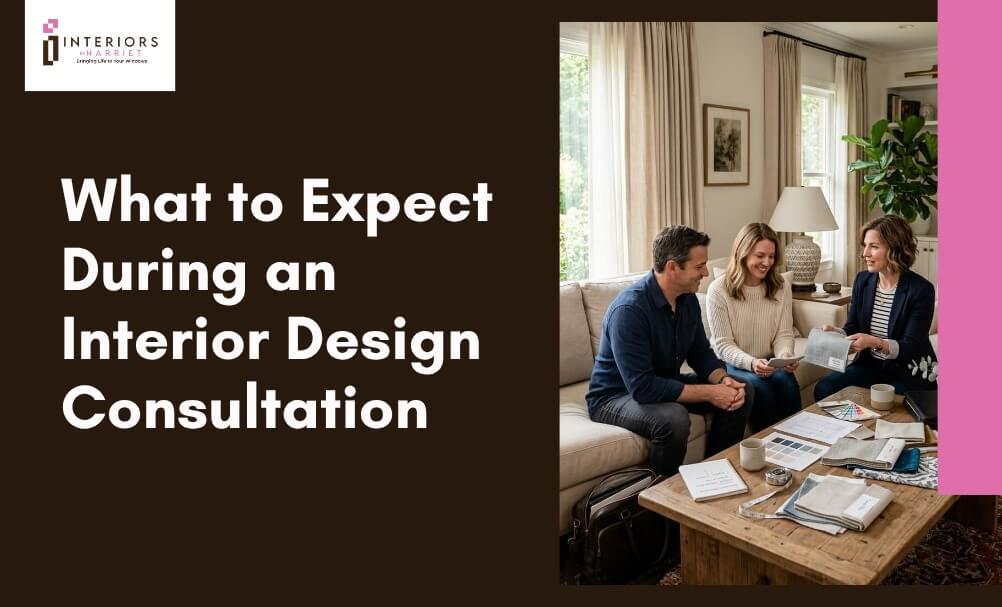
An interior design consultation can make the process much easier. It gives you time to sit down with a professional designer and talk about your home, ideas, needs, and personal style. Your designer can help you understand which colors, fabrics, textures, furniture, and window treatments may work well together.
The consultation is also a good time to discuss practical needs such as privacy, natural light, comfort, and how you use each room every day.
In this guide, you will learn what happens during an interior design consultation, how to prepare for your meeting, and what questions you may be asked. We will also explain how window treatments fit into the design process and what you can expect once your consultation is complete.
What Is an Interior Design Consultation?
An interior design consultation is a structured conversation between a homeowner and a professional interior designer, typically held early in the project process. The designer listens, evaluates, and begins identifying solutions before any purchases are made.
During this initial meeting, the designer will explore a wide range of topics, including:
- Your style preferences and personal taste
- How each room is used on a daily basis
- Existing furniture, flooring, and décor
- Wall colors and architectural features
- Window size, shape, and treatment options
- Natural light levels and privacy needs
- Your project timeline and approximate budget
The goal is straightforward: to give the designer enough context to offer guidance that actually fits your home and your life. No two consultations look exactly alike because no two homes or homeowners are the same.
What Happens During an Interior Design Consultation?
This is the part most homeowners are curious about, and rightfully so. Here’s a closer look at what the conversation typically covers.
Getting to Know Your Style
The designer will ask about colors, patterns, fabrics, and interiors you’re drawn to. Inspiration photos are especially useful here. If you’ve saved images from Pinterest, Instagram, or design magazines, bring them. Even photos of spaces you dislike can be helpful knowing what to avoid is just as valuable as knowing what to pursue.
Understanding How You Use the Room
A beautifully designed space that doesn’t work for your daily routine isn’t a success. The designer will ask how the room functions throughout the day. Do children use it? Do you work from home nearby? Do you host guests frequently? These practical details shape every recommendation that follows.
Reviewing the Existing Space
The designer will take a close look at the room itself windows, furniture placement, lighting, architectural features, and current décor. This assessment helps determine what stays, what goes, and what new elements would complement the space best.
Talking About Your Goals
This part of the conversation focuses on outcomes. Do you want more privacy? Better control over natural light? A softer, quieter atmosphere? Updated window treatments that finally feel cohesive? Being specific about your goals helps the designer prioritize solutions that matter most to you.
What Should You Prepare Before Your Consultation?
You don’t need to arrive with a complete design vision that’s the designer’s job. But bringing a few things to the meeting can make the conversation more productive.
Consider preparing:
- Inspiration photos that reflect colors, styles, or moods you love
- Photos of the room from different angles, including close-ups of windows
- Approximate room measurements, including window dimensions if you have them
- A list of existing furniture you plan to keep
- A note on problems you want to solve (glare, lack of privacy, visual clutter)
- A general budget range you’re comfortable working within
- Your preferred timeline for completing the project
- Questions you want to make sure you ask
If you haven’t figured out your style yet, that’s completely fine. A skilled designer can help you discover it during the consultation itself.
Questions Your Interior Designer May Ask You
Expect the conversation to feel collaborative rather than one-sided. A professional interior designer will guide you through a series of thoughtful questions, such as:
- What do you like about the room now?
- What would you like to change?
- How is the room used every day?
- How much natural light do you prefer?
- How important is privacy to you?
- What colors and fabrics appeal to you?
- Do you prefer a traditional, modern, or transitional design aesthetic?
- Are you interested in motorized window treatments for convenience?
- What is your expected budget for this project?
- When would you like the project completed?
There are no wrong answers here. The more openly you respond, the better equipped the designer will be to recommend solutions that genuinely work for your home.
How Window Treatments Become Part of the Design Conversation
Windows are one of the most influential elements in any room. They don’t just frame a view they control natural light, determine privacy, affect room temperature, and set the tone for the entire space.
During an interior design consultation, window treatment options are almost always part of the discussion. The right choice depends on the room’s purpose, the style you’re after, and practical needs like light control and privacy.
Common options include:
Custom Draperies
Custom draperies add softness, height, and elegance to a room. They can be tailored in virtually any fabric, color, or pattern to suit your space precisely.
Shades
Custom shades offer a clean, streamlined look with excellent light control. From sheer to blackout, they work well in nearly every room.
Blinds
Custom blinds are a practical, durable choice for kitchens, bathrooms, and home offices where moisture or wear is a concern.
Shutters
Shutters provide a timeless architectural quality and outstanding light and privacy control, particularly in living rooms and bedrooms.
Motorized Window Treatments
Motorized window treatments are increasingly popular for their convenience and precision, especially in rooms with tall, large, or hard-to-reach windows.
A professional interior designer can help you determine which option or combination of options suits both your aesthetic goals and practical needs.
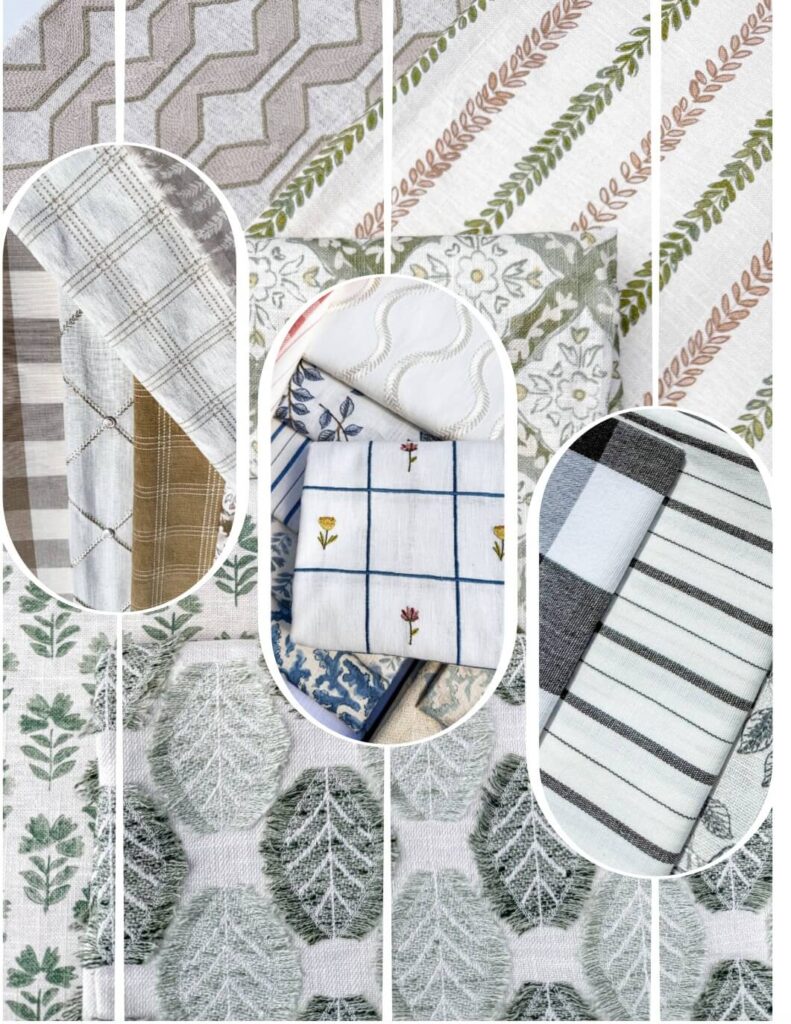
Choosing Fabrics, Colors, and Textures
Fabric and material selection is where a room truly comes together. A professional designer helps you coordinate:
- Wall colors and how they shift throughout the day
- Existing furniture and flooring tones
- Window fabrics in complementary or intentionally contrasting patterns
- Textures that add depth and interest without visual noise
- Pattern scale relative to room size and furniture proportions
One principle that experienced designers consistently apply: always view fabric samples inside the actual room. Colors look different under artificial light, natural daylight, and evening lighting. What appears perfect in a showroom may read entirely differently once it’s hanging from your windows.
Custom fabric options give you far greater flexibility than ready-made alternatives, particularly when coordinating treatments across multiple windows or rooms.
How the Designer Evaluates Your Windows
Not all windows are equal, and a thorough evaluation is essential especially before recommending window treatment solutions.
During an interior design consultation, the designer will consider:
- Window size and shape, including any non-standard proportions
- The direction the window faces and how sunlight moves through it
- Privacy requirements based on street-level or neighbor visibility
- Available mounting space, both inside and outside the frame
- Existing treatments and whether any can be repurposed
- Furniture placement and how it interacts with the window area
- Large, tall, or hard-to-reach windows that may benefit from motorization
These details directly influence whether custom shades, blinds, draperies, shutters, or layered treatments are the most practical solution for your space.
Should Measurements Be Taken During the Consultation?
This depends on where the project is in the process. For an early-stage consultation, the discussion is primarily about design direction. However, for custom window treatments, precise measurements must be taken before products are ordered.
A professional measuring appointment typically captures:
- Exact width and height of each window opening
- Mounting depth, both inside and outside the frame
- Trim and casing dimensions
- Any obstructions, such as handles, locks, or architectural details
- Inside vs. outside mount preference
Getting measurements right is especially important with custom products, where errors can be costly and time-consuming to correct. Professional measurement services exist precisely to avoid these problems.
Discussing Budget Without Feeling Uncomfortable
Budget conversations can feel awkward, but they’re one of the most useful parts of the design consultation process. A designer who understands your budget can make recommendations that are realistic and aligned with what you’re comfortable spending.
Knowing your budget helps the designer determine:
- Which product types and materials are most suitable
- How much customization is achievable
- Whether the project should be divided into phases
- Whether motorization fits within the overall scope
- Which rooms to prioritize first
You don’t need to commit to a specific number immediately. A general range even a broad one gives the designer enough context to guide the conversation productively.
Interior Design Consultation for Different Rooms
The needs of each room shape the design conversation in different ways.
Living Room
Natural light, visual scale, and entertaining function are often the central concerns. Layered treatments such as sheer shades beneath custom draperies offer flexibility throughout the day.
Bedroom
Privacy and light control take priority. Blackout options, soft fabrics, and treatments that minimize outside noise all come into consideration here.
Dining Room
Atmosphere matters most. Elegant fabrics, rich textures, and carefully chosen colors can transform a dining room into a genuinely special space.
Home Office
Glare management is a common challenge. The goal is enough natural light to work comfortably, without screen glare or afternoon sun creating heat and distraction.
Large or Open Living Spaces
Consistency across multiple windows is key. A designer can help ensure treatments feel cohesive even when windows vary in size, shape, or placement.
What About Motorized Window Treatments?
Motorization isn’t a luxury reserved for large-scale renovations. During an interior design consultation, a designer can quickly identify whether motorized window treatments would genuinely improve how you use your space.
Motorization is worth considering for:
- Tall windows that are difficult to reach manually
- Large shades that are heavy or unwieldy
- Windows above furniture or cabinetry
- Households that want scheduled operation open at sunrise, closed at dusk
- Smart-home environments where treatments can integrate with existing automation
Explore HarrietJ’s motorization options to learn how motorized window treatments can work in your home.
What Happens After the Interior Design Consultation?
Many articles on this topic stop at the consultation itself. But understanding what comes next is just as important.
The process typically follows this path:
Consultation → Recommendations → Measurements → Product Selection → Ordering → Installation
After your consultation, the designer may provide a written summary of recommendations, suggested products, or fabric options to review. Depending on the scope of the project, the next steps might include a dedicated measuring appointment, a product selection meeting, a fabric presentation, or a combination of all three.
The exact sequence varies by project. What stays consistent is the goal: ensuring every decision is intentional, well-coordinated, and right for your home before anything is ordered or installed. For more on what the later stages look like.
Common Mistakes to Avoid Before a Design Consultation
A few missteps can make the consultation less productive or lead to costly decisions down the track.
Watch out for these common mistakes:
- Purchasing products before speaking with a designer, which can limit your options later
- Hiding budget concerns, which prevents the designer from offering realistic alternatives
- Choosing based on trends alone, rather than considering what will work long-term in your specific space
- Overlooking practical needs like privacy, glare control, or child safety features
- Trying to make every decision beforehand, when many choices are better made with professional input
- Forgetting to mention smart-home needs, which affects whether motorization should be part of the plan
Arriving open-minded and prepared to discuss both your aesthetic goals and practical requirements will make the consultation far more valuable.
Is an Interior Design Consultation Worth It?
For homeowners who want professional guidance and a more coordinated result, an interior design consultation is a genuinely valuable first step.
The benefits extend beyond aesthetics:
- Clearer design direction from the very beginning
- Fewer costly mistakes caused by mismatched products or poor planning
- Access to professional product knowledge that goes beyond what’s available in stores
- Coordinated colors, fabrics, and treatments that work as a cohesive whole
- Solutions tailored to your specific room, not generic recommendations
- Confidence before making significant purchases
Working with a professional interior designer brings a level of precision and coordination that’s difficult to replicate independently particularly when window treatments, fabrics, and room-specific requirements all need to align.
Interior Design Consultation vs. Designing on Your Own
| Area | Professional Consultation | DIY Approach |
|---|---|---|
| Design Guidance | Personalized | Self-directed |
| Fabric Selection | Professional help | Limited guidance |
| Window Solutions | Customized | Often standard |
| Measurements | Professional option | Self-measured |
| Product Knowledge | Expert guidance | Personal research |
| Motorization Planning | Available | More difficult |
| Overall Coordination | Professionally planned | Depends on experience |
Questions to Ask During Your Interior Design Consultation
Arriving with questions is a sign of an engaged client and a good designer will welcome them. Consider asking:
- Which window treatments would work best in this specific room?
- Which fabrics suit my lifestyle and household needs?
- How can we improve privacy without sacrificing natural light?
- Should I layer shades and draperies, or choose one treatment type?
- Is motorization a practical option for any of my windows?
- How will you coordinate colors and fabrics across the space?
- What happens after the consultation, and what are the next steps?
- How will measurements and installation be handled?
These questions help you get the most out of your time with the designer and give you a clearer picture of the process ahead.
Frequently Asked Questions About Interior Design Consultations
What happens during an interior design consultation?
During an interior design consultation, the designer discusses your style preferences, how you use the space, existing furniture, window needs, lighting, privacy, and budget. The goal is to gather enough information to begin recommending solutions that are tailored to your specific home and lifestyle.
How should I prepare for an interior design consultation?
Bring inspiration photos, approximate room measurements, a list of existing furniture you plan to keep, and a general budget range. Think about the problems you want to solve and any questions you’d like answered. You don’t need to have all the answers preparation just makes the conversation more focused.
Do I need to know my design style before the consultation?
No. Many homeowners arrive unsure of their style, and that’s perfectly normal. A professional interior designer can help you identify your preferences through conversation, inspiration photos, and targeted questions. The consultation itself is often where style clarity begins to emerge.
Can window treatments be discussed during an interior design consultation?
Absolutely. Window treatments are a central part of most design consultations. The designer will consider natural light, privacy, room function, fabric preferences, and aesthetic goals to recommend appropriate options whether that’s custom draperies, shades, blinds, shutters, or motorized window treatments.
What happens after the interior design consultation?
Next steps depend on the project scope, but typically include a written summary of recommendations, professional measurements, fabric or product selection, ordering, and installation. The designer will outline the process clearly so you know what to expect at each stage.
Final Thoughts
An interior design consultation can help turn your ideas into a clear plan for your home. Instead of making separate choices about colors, fabrics, privacy, lighting, and window coverings, you can see how every detail works together. This makes it easier to create rooms that feel comfortable, beautiful, and right for your everyday life.
At Interiors by Harriet, we help homeowners choose custom window treatments that complement their space and personal style. From custom draperies and shades to blinds, shutters, fabrics, and motorized window treatments, each option is carefully selected for your windows and needs.
Whether you are refreshing one room or planning changes throughout your home, professional guidance can make each decision easier and help you feel confident about the final look.
Ready to create a home that feels more like you? Schedule your design consultation today and discover the right window treatments for your space.