Best Sliding Glass Door Window Treatments for Homes
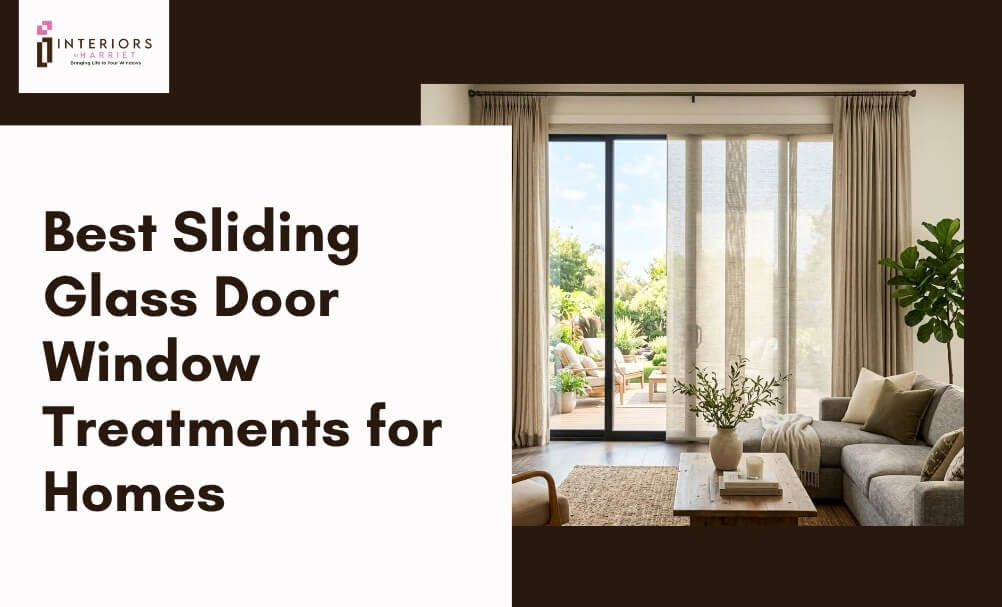
Sliding glass doors flood a room with natural light and create a smooth link between your living space and the outdoors. All that glass comes with trade-offs, though. Privacy, glare, heat, and light control can become daily frustrations if the wrong covering is in place.
Standard window treatments don’t always translate well to a sliding door. The door needs to open and close easily, so a covering that blocks the active panel or gets in the way of the handle quickly becomes more nuisance than upgrade. That’s why the right sliding glass door window treatments are built around how the door actually works.
This blog will explain the best options for privacy, light control, and everyday use. We will show you the best treatments for each need and demonstrate how to maintain natural light and privacy. We will also show you how to measure a large opening and how to hang a treatment. At the end, you will have a clear solution for an attractive and functional window treatment.
What Should You Look for in Sliding Glass Door Window Treatments?
Before choosing window coverings, it is important to understand your needs. Large glass doors need special care because they are wider than regular windows. These are some things to consider when choosing sliding glass door window treatment ideas for your home.
1. Easy Door Access
Make sure your window treatments don’t obstruct door access.
2. Privacy
Residential glass doors often provide little, if any, privacy. If your doors don’t provide privacy, you’ll want to have coverings that do.
3. Light Control
Effectively manage the light that comes through large glass doors with window coverings.
4. Proper Fit
The proper fit of window coverings is important. Accurately measure the doors and don’t guess.
5. Interior Style
Pick coverings that match your existing interior design and enhance the look of the room.
What Are the Best Sliding Glass Door Window Treatments?
There’s no single “best” product for every sliding door. The right choice depends on your priorities, your door’s security or configuration, and room it lives in. Here’s a quick overview of the strongest options.
Vertical Blinds
A traditional choice designed specifically for side-to-side operation. They open and close along the same axis as the door.
Panel Track Shades
A clean, contemporary solution built for wide glass areas, with fabric panels which glide along a track.
Custom Draperies
A softer, decorative option that offers unmatched design flexibility through fabric, texture, and color.
Roller Shades
A streamlined, minimal look that works well depending on the door’s width and layout.
Cellular Shades
A strong pick where insulation and energy performance matter most, thanks to their honeycomb construction.
Motorized Window Treatments
Ideal for homeowners who want easier operation and automation, where the selected system supports the application.
Each of these can be the perfect answer, or the wrong one, depending on your specific door. The sections below explain when each shines.
Vertical Blinds for Sliding Glass Doors
There is a reason vertical blinds have stayed popular: they operate the same way your door does. With side-to-side movement, you may slide the vanes open right where the door opens, so access stays easy.
Also, they are great for larger openings for many reasons:
- They move side-to-side like a door
- Vanes that can be adjusted for specific light control
- Privacy when tilted closed
- Natural fit for larger patio door openings
- Easy, unobstructed access to the door
Design has come a long way here, too. Vertical blinds for sliding doors now come in modern materials, updated colors, and refined finishes that look nothing like the dated versions many homeowners picture. Fabric vanes, softer textures, and contemporary neutrals can give the treatment a fresh, current appearance.
Panel Track Shades for a Modern Look
Panel track shades are a favorite for design-minded homeowners. Wide fabric panels slide along a track, stacking neatly to one side when you open the door. The result is a clean, architectural look that suits large glass beautifully.
They bring several advantages to a sliding door:
- A streamlined, modern appearance
- Excellent suitability for wide openings
- A range of fabric choices, from light-filtering to more opaque
- Adjustable light and privacy control
- A natural fit for contemporary interiors
One thing to plan for is stacking space. When the panels open, they need somewhere to gather along the track. Make sure there’s enough wall or track length on one side so the panels don’t crowd the door or block part of the glass.
Custom Draperies for Sliding Glass Doors
Custom curtains are a great way to make large sliding glass doors look beautiful. They add color, softness, and style to your room. They also help control sunlight and provide privacy. When choosing sliding glass door window treatments, custom curtains can make your space feel warm and comfortable.
1. Full-Length Curtains
Long curtains that reach the floor give your sliding doors a beautiful look. They can even make your walls and ceilings appear taller. Choose colors and fabrics which match your room.
2. One-Way or Split Curtains
You may choose curtains based on how your sliding door opens. One-way curtains move to one side, while split curtains open from the middle. Both options may make daily use easy and simple.
3. Curtains With Shades
When you use curtains and shades with it, it may give you better light control and privacy. Shades may help manage sunlight during the day, while curtains add warmth and style. This mixture may make room look more impressive.
Are Roller Shades Good for Sliding Glass Doors?
Yes, roller shades may work well on sliding glass doors, though best setup depends on width and layout of door. An oversized roller shade is not right for every opening, so security is vital.
Roller shades offer:
- A clean, minimal appearance
- Effective glare reduction
- Adjustable privacy through fabric opacity
- A modern, uncluttered look
- Optional motorization for easier control
For very wide doors, you may be better served by multiple coordinated shades rather than one large one. That way you can raise the shade over the active door panel while leaving the fixed panel covered. Fabric opacity is your main lever here, ranging from sheer light-filtering options to full room-darkening fabrics.
Cellular Shades for Sliding Glass Doors
Cellular shades appeal to homeowners focused on comfort and energy efficiency. The honeycomb construction traps air in separate pockets, that helps slow heat transfer through the glass.
They deliver several benefits on a sliding door:
- Insulating air pockets that improve comfort near the glass
- Reliable privacy when closed
- Light-filtering and room-darkening fabric options
- Configurations suited to large-glass applications
The U.S. Department of Energy knows that properly installed cellular shades can reduce unwanted heat transfer through windows, making them a smart choice for glass-heavy rooms. If you’re looking to keep a room comfortable year-round, these energy efficient window coverings are worth serious consideration.
Light-Filtering vs. Room-Darkening Treatments
One of the biggest decisions is how much light you want to let through. Light-filtering fabrics soften daylight and keep a room bright, while room-darkening fabrics block far more light for stronger control. The table below compares the two.
| Feature | Light Filtering | Room Darkening |
|---|---|---|
| Natural Light | Higher | Lower |
| Daytime Brightness | Excellent | Reduced |
| Privacy | Varies by fabric | Generally stronger |
| Glare Control | Moderate | Higher |
| Outdoor View | Product dependent | Usually limited when closed |
| Best For | Living areas | Stronger light control |
Keep in mind that actual privacy and light performance depend on the specific material and product you choose. Two fabrics labeled “light filtering” can behave very differently.
Best Sliding Glass Door Window Treatments for Privacy
Privacy is one of the top reasons homeowners cover a sliding door, and it deserves its own attention because it changes throughout the day.
Daytime Privacy
Some fabrics soften visibility from outside while still letting daylight through, giving you a comfortable middle ground during the day.
Nighttime Privacy
Privacy is important, especially at night when your indoor lights are on. Some curtains may provide privacy during the day but allow people to see inside at night. When choosing Large Window Treatment Ideas, make sure your window coverings offer enough privacy.
Adjustable Privacy
Vertical blinds and adjustable shades help you control privacy easily. You can move or turn them whenever needed to block outside views while allowing some light inside.
Full Coverage
Thick curtains, lined draperies, and room-darkening shades offer better privacy at night. They help stop people from seeing inside your home. Try to avoid using only sheer curtains, as they cannot provide complete nighttime privacy.
How to Keep Natural Light Without Losing Privacy
You don’t have to choose between a bright room and a private one. With the right approach, you can enjoy both.
A few strategies make this possible:
- Light-filtering fabrics that diffuse daylight while blurring the view inside
- Adjustable treatments you can tilt or shift depending on the time of day
- Layered window treatments, such as a sheer shade paired with draperies
- Partial opening, covering the lower half while leaving the top clear
- Careful fabric opacity choices matched to your room’s exposure
These privacy shades for sliding doors give you control rather than forcing an all-or-nothing decision. Light filtering sliding door shades are especially useful in living spaces where you want daylight without feeling exposed.
Energy Efficient Window Treatments for Sliding Glass Doors
Large windows can make your home hot in summer and cold in winter. The right window coverings can help control room temperature and improve comfort. When choosing right sliding glass door window treatments, look for options that help save energy.
Here are some good choices:
- Cellular Shades: Their special design traps air and helps reduce heat loss.
- Lined Curtains: Thick curtains help keep rooms warm or cool.
- Proper Fit: Well-fitted shades lessen gaps around windows.
- Layered Treatments: Using curtains and shades together adds extra insulation.
- Smart Use: Open or close shades based on sunlight.
You can also read our article on how energy efficient window shades lower heat loss.
Motorized Shades for Sliding Glass Doors
Large windows can make your home hot in summer and cold in winter. The right window coverings can help control room temperature and improve comfort. When choosing right sliding glass door window treatments, look for options that help save energy.
Here are some good choices:
- Cellular Shades: Their special design traps air and helps reduce heat loss.
- Lined Curtains: Thick curtains help keep rooms warm or cool.
- Proper Fit: Well-fitted shades lessen gaps around windows.
- Layered Treatments: Using curtains and shades together adds extra insulation.
- Smart Use: Open or close shades based on sunlight.
You can also read our article on how energy efficient window shades lower heat loss.
Sliding Glass Door Treatments for Different Rooms
Different rooms need different window coverings. Choosing right sliding glass door window treatments may help improve comfort, privacy, and style in your home.
The right treatment depends on the space, and here’s where the priorities shift.
Living Room
Style is important, along with light and some level of privacy. Both panel tracks and draperies are flexible here.
Bedroom
Stronger levels of privacy and light control are critical here. For total privacy, use room-darkening fabrics, especially if you’re trying to keep the bedroom dark for sleeping.
Dining Room
Elegant draperies are a nice touch here, along with the right level of control for when you’re entertaining.
Home Office
Here, treatment is mostly about glare control so screens stay readable. Light-filtering roller shades or adjustable blinds are a good choice here.
Family Room
Ease of use, along with durability, are the most critical here because of the high level of use. Vertical blinds work well here, as do motorized draperies and shades.
Modern Sliding Glass Door Window Treatment Ideas
Modern window coverings can make your home look beautiful, simple, and stylish. You do not need to follow every new trend. Choosing right sliding glass door window treatments can give your room a fresh look that lasts for years.
Here are some simple ideas to consider:
- Roller Shades: Give your windows a clean and modern look.
- Panel Track Blinds: Work well for large windows and sliding doors.
- Soft Colors: Beige, cream, and other light colors make rooms feel warm.
- Motorized Shades: No dangling cords for a safer option.
- Natural Fabrics: Add a touch of softness with linens and wovens.
- Long Curtains: Add height to rooms with floor to ceiling curtains.
- Layered Coverings: For better style and more privacy, use curtains and shades together.
- Hidden Hardware: For a cleaner look, keep curtain fittings and rods less visible.
Should Sliding Glass Door Treatments Match Other Windows?
Your window coverings do not need to look exactly the same. However, they should match overall style of your room. Choosing right sliding glass door window treatments may help create a beautiful and balanced look.
There are many ways to match your window coverings:
- For color, choose shades that complement each other.
- For texture, choose materials that create the same feel in your room.
- For fabric, choose a style that fits your home.
- For hardware, choose a finish that ties your rods and fittings together.
- For Shade Style, choose shades that suit your needs.
- For light control, choose coverings that offer the right level of privacy and light.
For example, you may use long curtains for sliding doors and matching shades for nearby windows. This creates a neat and stylish look.
Measuring Sliding Glass Doors for Window Treatments
Errors in measurement tend to scale up on larger openings, so the need for accuracy is greater when treating larger window openings. What might be slightly off on a small window treatment could be noticeably wrong on a larger one.
When measuring, account for:
- Total width and total height
- Trim and surrounding molding
- Available mounting area
- Door handles that may protrude
- The active door panel
- Stacking space for panels or vanes
- Floor and ceiling clearance
- Inside versus outside mounting
Because so many variables interact, a professional window treatment measuring service is often the safest route. Getting the measurements right the first time saves the cost and frustration of a treatment that doesn’t fit.
Common Mistakes to Avoid
A few mistakes happen over and over again with sliding doors. Avoid these:
- Opting for a treatment that blocks door access
- Failing to allot for stacking space
- Measuring wrong
- Neglecting door handles that protrude
- Omitting nighttime privacy
- Selecting fabric for its appearance solely
- Not thinking about glare on screens and surfaces
- Utilizing heavy treatments in a small room
- Not using motorization for large or hard-to-reach doors
- Not considering motorization for large or difficult to reach doors
- Ignoring how often the door is actually used
Most of these come down to one thing: treating a sliding door like a standard window. It isn’t one, and planning around its movement solves the majority of problems.
Sliding Glass Door Window Treatment Comparison
Here’s a side-by-side look at how the main options stack up across the factors that matter most.
| Treatment | Privacy | Light Control | Door Access | Style |
|---|---|---|---|---|
| Vertical Blinds | High | Excellent | Excellent | Classic/Modern |
| Panel Tracks | High | Good | Excellent | Contemporary |
| Draperies | High | Excellent | Excellent | Elegant |
| Roller Shades | High* | Excellent | Configuration dependent | Minimal |
| Cellular Shades | High* | Excellent | Product dependent | Clean |
| Motorized Treatments | Product dependent | Excellent | Convenient | Modern |
*Depends on fabric and product configuration.
How to Choose the Right Treatment for Your Sliding Glass Door
Choosing the right right sliding glass door window treatments becomes easier when you know your needs. Before buying window coverings, ask yourself these simple questions.
- Door Use: How often do you open and close the door?
- Door Direction: Which side does your sliding door open?
- Privacy: Do you need more privacy during the day or night?
- Natural Light: Do you prefer bright rooms or less sunlight?
- Sunlight Glare: Does sunlight affect your TV or computer screen?
- Room Temperature: Do you need shades that help keep rooms warm or cool?
- Room Style: Do you prefer modern or classic designs?
- Easy Control: Would motorized shades may make daily use easier?
- Extra Space: Is there enough space to open curtains fully?
- Measurements: Have you measured your doors correctly?
These questions may help you choose suitable window coverings.
Frequently Asked Questions
What is the best window treatment for a sliding glass door?
There’s no universal best. Vertical blinds, panel tracks, custom draperies, roller shades, and cellular shades all work well. The right choice depends on your privacy needs, interior style, how often you use the door, and how much natural light you want in the room.
What can I use instead of vertical blinds on a sliding glass door?
Great alternatives include panel track shades for a modern look, full-length custom draperies for softness and elegance, and roller or cellular shades in the right configuration. Each keeps door access easy while offering a fresh, updated appearance.
Can you put shades on sliding glass doors?
Yes. Roller shades, cellular shades, and panel tracks can all suit sliding doors, depending on the door’s dimensions, configuration, product size limits, and mounting options. For very wide openings, multiple coordinated shades often work better than a single oversized one.
Are motorized shades good for sliding glass doors?
Motorized shades are excellent for large sliding doors, offering one-touch and remote operation that’s hard to match manually. Product compatibility matters, though, so the system should be planned around the door’s size, configuration, and how you enter and exit.
How can I get privacy without making my room too dark?
Use light-filtering fabrics that blur the view while letting daylight through, choose adjustable treatments you can tilt or shift, and layer a sheer shade with draperies. This combination gives you privacy by day and stronger coverage when you need it.
Find the Perfect Treatment for Your Sliding Glass Doors
Window coverings should be attractive and easy to use. When considering Large Window Treatment Ideas, think about privacy, the control you have over the sunlight, comfort, style, and how easy it is to use your door.
Vertical blinds are a great option because they are easy to adjust and let you open the door without issue. Panel track blinds give a modern and clean look to wide glass doors.
Custom curtains give a room softness, color, and style. Roller shades give a minimalist look, and cellular shades insulate and save energy.
Motorized shades ease the process of opening and closing window coverings, especially on large doors.
Choose window coverings based on your door size, room design, and daily needs. The right choice may make your home comfortable and beautiful.
You don’t have to sort through it alone. Interiors by Harriet offers personalized guidance to help you choose a solution based on your door, your room, your lifestyle, and your interior design goals.
Schedule your personalized window treatment consultation with Interiors by Harriet today.