UV Blocking Window Treatments That Protect Interiors
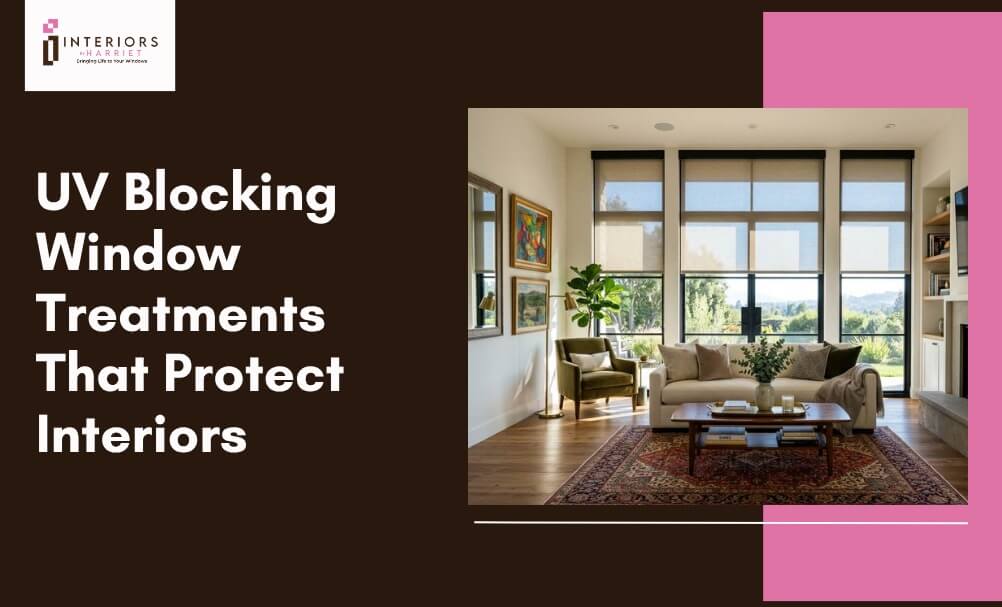
UV blocking window treatments provide a means to manage the amount of light that enters a room while deflecting ultraviolet radiation and protecting furnishings, flooring, and wall art. It is important to find that balance because, while sunlight brightens a room, overexposure can damage fabrics and fade pieces that have monetary and sentimental value.
The sun is great for photosynthesis, but it can also damage a lot of things in your home, like flooring, rugs, upholstered furniture, artwork, and curtains. Think about everything that gets sunlight exposure on a daily basis. It will change the color and get faded. The good thing to know is that you can still have a sunny room and sunny home to protect your investment.
This article is a resource to help you select the right sun blocking window treatments that will balance your need for light and protection. This article will discuss the window treatments for your living room and select the best for your home office that is full of light and displays your computer screens.
How Does UV Light Affect Your Home’s Interior?
Sunlight contains ultraviolet radiation, a type of energy that the human eye can’t see but that materials absorb over time. When light streams through a window day after day, it can slowly alter the look of the surfaces it touches. UV is a major contributor to fading, though it’s worth knowing that visible light and heat also play a role depending on the material.
Furniture and Upholstery
Fabrics on sofas, chairs, and cushions can gradually lose color or shift in appearance. Pieces sitting directly in a sunny spot often show these changes first.
Hardwood Flooring
Wood reacts to sunlight, too. Areas that receive regular direct sun can age differently from sections covered by rugs or furniture, sometimes leaving noticeable lines when you rearrange a room.
Rugs and Carpets
Colors in rugs and carpets may fade unevenly, with the sunniest sections lightening faster than the rest.
Artwork and Photographs
Paintings, prints, and framed photographs are especially light-sensitive. The pigments and papers used in these pieces can deteriorate with ongoing exposure.
Draperies and Fabrics
Even the window fabrics themselves aren’t immune. Draperies and decorative textiles exposed to prolonged sunlight can weaken and fade over the years.
What Are UV Blocking Window Treatments?
UV blocking window treatments are coverings designed to reduce the amount of ultraviolet radiation passing through a window. They give you a practical way to guard your interiors while still enjoying daylight and a view.
Depending on the product, these treatments may include:
- Solar shades
- Roller shades
- Cellular shades
- Blinds
- Shutters
- Lined draperies
- Layered treatments
Here’s the key thing to understand: UV performance varies significantly by fabric, material, openness, color, and product design. Not every shade offers the same level of protection. A tightly woven, darker solar shade behaves very differently from a sheer, light-filtering panel. Always check the specific product’s documented performance rather than assuming they all work the same way.
Best UV Blocking Window Treatments for Your Home
The best choice depends on how each room uses light. Below is a breakdown of the most popular UV protection window treatments and when each one shines.
Solar Shades
Solar shades are a standout option for managing sunlight and glare while preserving varying degrees of outward visibility. They work well in rooms where you want to keep the view but tame harsh direct sun.
Roller Shades
Roller shades come in a wide range of fabrics and opacity levels. That flexibility makes them a versatile pick for almost any room, from soft light filtering to firmer coverage.
Cellular Shades
Cellular shades suit homeowners thinking about both light management and insulation. Their honeycomb structure traps air, which can help with comfort in rooms that run hot or cold.
Custom Draperies
Lined custom draperies provide stronger coverage when closed. They’re ideal for spaces where you want the option to block a lot of light at certain times, plus the softness that fabric adds to a room.
Blinds
Blinds feature adjustable slats that let you redirect incoming light throughout the day. Tilt them up to bounce light toward the ceiling or down for more privacy.
Shutters
Shutters offer adjustable light control through movable louvers. They give a clean, built-in look and let you fine-tune sunlight room by room.
Layered Window Treatments
Layering combines shades and draperies for greater flexibility. During bright hours, a functional shade handles glare and UV; later, you can open it and enjoy the drapery’s texture and view.
Solar Shades for UV and Glare Control
Solar shades deserve a closer look because they match this topic so closely. These solar shades for windows are engineered to reduce glare and cut down on UV exposure while keeping some daytime light and outdoor visibility intact.
The performance of any solar shade comes down to its openness factor and fabric selection. A lower openness fabric blocks more light and offers more privacy but reduces the view. A more open weave keeps the view clearer while still helping with glare. Because these trade-offs vary so much, you should verify the exact UV performance from the specific manufacturer’s product specifications.
Different rooms call for different fabrics. A sun-drenched living room might benefit from UV blocking shades with moderate openness, while a home office with computer screens may need glare reducing window shades with a tighter weave. Solar shades for UV protection give you a middle path between an uncovered window and a fully darkened room.
Can You Block UV Rays Without Blocking Natural Light?
Yes and this is one of the most common questions homeowners ask. You don’t have to choose between a bright, unprotected window and a completely dark room. Several treatments let you reduce UV while keeping daylight.
Light-Filtering Fabrics
Light filtering window shades soften incoming daylight, spreading it gently across the room while trimming the harshest rays.
Solar Shades
Solar shades can reduce glare and UV exposure while maintaining some daylight and a view, depending on the fabric’s specifications.
Adjustable Blinds and Shutters
Blinds and shutters let you redirect light rather than block it entirely, so you control the angle and intensity.
Layered Treatments
Layered treatments provide different levels of coverage throughout the day, giving you room-darkening power when you need it and openness when you don’t.
The important takeaway: UV reduction, visible light, and view-through are separate performance characteristics. A treatment can score high on one and low on another, so match the fabric to your priorities.
Light Filtering vs. UV Blocking vs. Blackout
Comparing the three main categories makes the decision much easier. Each serves a different purpose.
| Feature | Light Filtering | Solar/UV Control | Blackout |
|---|---|---|---|
| Natural Light | High | Product dependent | Very Low |
| UV Reduction | Product dependent | Designed for stronger control | Generally strong when fully closed |
| Outdoor View | Usually limited/varies | Can be maintained | No |
| Glare Control | Moderate | Stronger options available | Very High |
| Privacy | Varies | Varies, especially at night | High when closed |
| Best For | Soft daylight | Sun-exposed rooms | Maximum light control |
Keep in mind that performance varies by product and fabric, so treat this table as a general guide rather than a strict rule.
Protecting Furniture and Upholstery From Sunlight
Furniture takes some of the hardest hits from the sun, especially pieces placed near:
- Large windows
- Patio doors
- Bay windows
- South- or west-facing exposures
- Sun-filled living rooms
You don’t have to keep these rooms dim all day. The smarter approach is to control the strongest periods of direct sunlight. By lowering a shade during peak sun and raising it when the light softens, you reduce exposure without sacrificing brightness the rest of the day.
This is where motorized scheduling becomes genuinely useful. Set your window treatments for furniture protection to lower automatically during the sunniest hours, and your sofa, cushions, and wood pieces get a break from the harshest rays even when you’re not home.
Protecting Hardwood Floors From Sunlight
Sunlight can contribute to changes in wood color over time, and the effect varies by wood species and finish. Some woods lighten, others darken, and patterned exposure can leave visible outlines where rugs or furniture once sat.
To manage this, homeowners often turn to:
- Solar shades
- Roller shades
- Blinds
- Shutters
- Draperies
Any of these can help reduce exposure during the most intense periods of sunlight. The goal isn’t to keep the floor in permanent shadow it’s to soften the peak hours that do the most work. No window treatment will completely prevent fading, but consistent daylight control can help slow the process and keep your floors looking even.
Protecting Artwork, Rugs, and Interior Fabrics
Furniture and floors aren’t the only interiors at stake. Light-sensitive items throughout your home benefit from thoughtful sun protection, including:
- Paintings
- Framed photographs
- Decorative fabrics
- Area rugs
- Upholstery
- Custom bedding
- Draperies
Artwork and photographs are particularly vulnerable, since their pigments and papers can deteriorate faster than sturdier materials. Rugs and decorative textiles fade gradually, often unnoticed until you move a piece and spot the difference. Custom fabrics and bedding, prized for their color and texture, hold up better when you manage the sunlight around them. Treating interior protection as a whole-room strategy not just a furniture concern keeps your entire space looking its best.
UV Blocking Window Treatments for Large Windows
Large areas of glass create bigger sunlight-management challenges. More surface means more light, more heat, and more potential for uneven fading across the room.
Effective options for expansive glass include:
- Large roller shades
- Solar shades
- Custom draperies
- Layered treatments
- Motorization
- Multiple coordinated shades
Because these windows are so prominent, coordination matters. Matching fabrics and consistent operation across several shades keep the look clean while covering more glass. For more inspiration on styling these spaces.
UV Protection for Tall and Floor-to-Ceiling Windows
Tall and floor-to-ceiling windows add the challenge of height. Reaching the top of a two-story window to adjust a shade several times a day simply isn’t practical.
For these hard-to-reach spots, motorized treatments make life much easier. With the press of a button or a set schedule, you can adjust coverage as sunlight shifts across the day no ladders or long poles required. This convenience means you’ll actually use the treatment consistently, which is what protects your interiors in the first place.
Are Motorized Shades Useful for Sun Protection?
Yes, though it’s worth clarifying how. Motorization doesn’t create UV protection on its own the selected shade fabric or material does that work. What motorization adds is consistency, making it far easier to use the right treatment at the right time.
Motorized shades offer:
- Scheduled operation where supported
- Remote control
- App operation where available
- Easy access to hard-to-reach windows
- Simple coordination of multiple shades
- Effortless adjustment as sunlight changes throughout the day
For example, your shades could lower automatically during periods of stronger direct sunlight, then reopen later to restore the view. That kind of hands-off routine gives your interiors steady protection without any daily effort.
UV Blocking Treatments for Different Rooms
Every room uses light differently, so the ideal treatment shifts from space to space.
Living Room
Focus on protecting furniture, rugs, and artwork while preserving daylight. Solar shades or layered treatments work well here.
Bedroom
Balance UV control with privacy and room darkening. Blackout-lined options give you sleep-friendly coverage at night.
Dining Room
Consider furniture, flooring, and decorative fabrics. Adjustable shades or shutters help you set the mood for meals.
Home Office
Combine sunlight management with glare reduction for screens. Solar shades with a tighter weave keep monitors readable.
Rooms With Large Glass Doors
Consider coverage, easy access, and sunlight together. Sliding-friendly options keep the doorway functional see our guide to the Best Sliding Glass Door Window Treatments for Homes.
How Window Direction Affects Your Treatment Choice
The direction a window faces shapes how much sun it gets and when. East-facing windows commonly receive stronger morning sun, while west-facing windows tend to catch stronger afternoon light. South-facing glass often sees steady exposure through much of the day, and north-facing windows usually get the gentlest light.
That said, orientation is only part of the story. Actual sun exposure also depends on the season, nearby buildings, trees, overhangs, latitude, and window size. A west-facing window shaded by a tall oak behaves nothing like one with an open sky in front of it. Take these factors together when deciding how much UV control each window really needs.
How to Choose the Right Fabric and Opacity
Fabric and opacity determine how a treatment actually performs, so this choice deserves careful thought. Consider:
- Manufacturer UV specifications
- Fabric openness
- Opacity
- Color
- Outward visibility
- Privacy
- Glare
- Natural light
- Room use
There’s no single “best” openness percentage that fits every home. A tighter weave blocks more UV and glare but dims the room and limits the view; a more open weave keeps things bright and clear but offers less coverage. The right specification depends on how much light, view, privacy, and UV management you want in that particular room.
Can Layered Window Treatments Provide Better Flexibility?
Layering gives you the most adaptable setup of all, pairing a functional shade with a decorative drapery. During bright periods, the shade manages sunlight and glare. When the light softens, you can raise it to restore more of the view.
Draperies contribute their own benefits on top of that flexibility:
- Softness
- Privacy
- Texture
- Color
- Additional coverage
The combination lets you dial in exactly the amount of light and protection you want at any hour. Explore our custom Shades and Draperies options to see how the two can work together in your space.
Energy Efficiency and UV Protection Are Not the Same Thing
It’s easy to assume a treatment that blocks UV also saves energy, but these are separate qualities. UV performance relates to reducing ultraviolet radiation. Energy performance relates to managing heat transfer and solar heat gain.
Some products contribute to both cellular shades, for instance, can help with insulation and light control. Still, you shouldn’t assume that a product with strong UV performance automatically provides the best insulation, or vice versa. If lowering heating and cooling costs is a priority, check both ratings.
Common Mistakes When Choosing UV Blocking Window Treatments
A few missteps come up again and again. Watch out for:
- Assuming all shades block the same amount of UV
- Choosing based only on color
- Ignoring manufacturer specifications
- Confusing light filtering with UV performance
- Forgetting nighttime privacy
- Blocking more natural light than necessary
- Overlooking glare
- Ignoring window direction
- Forgetting motorization for hard-to-reach windows
- Measuring large windows incorrectly
- Expecting window treatments to prevent all fading
Sidestepping these traps helps you land on a treatment that actually fits how you live.
How to Choose UV Blocking Window Treatments
Use this simple process to narrow your options with confidence:
- Identify which interiors receive the most direct sunlight. Note the furniture, floors, and art that sit in the sun’s path.
- Decide how much natural light you want to keep. Bright and airy, or soft and shaded?
- Determine whether preserving the outdoor view matters. This shapes your fabric openness.
- Check the product’s documented UV performance. Read the manufacturer’s specifications.
- Consider glare and privacy. Especially important for screens and street-facing windows.
- Decide whether you need light filtering or stronger coverage. Match this to each room’s use.
- Consider layering shades and draperies. For the most flexibility throughout the day.
- Consider motorization for changing sunlight. Great for large or hard-to-reach windows.
- Have custom treatments professionally measured. Accurate measurements ensure a clean fit and proper coverage.
Frequently Asked Questions About UV Blocking Window Treatments
What window treatments are best for blocking UV rays?
Solar shades, appropriate roller shades, cellular shades, lined draperies, and shutters can all help block UV rays. The best choice depends on each product’s documented performance, since fabric, openness, and color all affect how much protection you get.
Do window shades protect furniture from fading?
Suitable shades can help reduce light and UV exposure, which may slow fading over time. However, no window treatment should be presented as guaranteeing your furniture will never fade, since heat and visible light also play a role.
Can UV blocking shades still let natural light into a room?
Yes. Solar shades and light-management fabrics can balance daylight with UV reduction, depending on their specifications. More open weaves keep rooms brighter and preserve the view, while tighter weaves offer more coverage and privacy.
Do blackout shades block UV rays?
Blackout treatments generally reduce incoming light substantially when fully closed, which limits UV as well. Even so, homeowners should check the manufacturer’s specifications for the particular product to confirm its UV performance.
Are motorized shades useful for UV protection?
Motorization doesn’t create UV protection itself; the shade fabric does that. What it offers is convenience making it easier to position suitable shades during strong sunlight, so your interiors get consistent protection throughout the day.
The Bottom Line
The right UV blocking window treatments help you manage sunlight while protecting the appearance of furniture, flooring, artwork, rugs, and interior fabrics. You don’t have to keep beautiful rooms dark to keep them looking their best. The real goal is finding the right balance between UV management, natural light, glare, privacy, outdoor views, and interior design.
Solar shades and roller shades give you daytime control and glare reduction. Custom draperies add softness and stronger coverage when closed. Layered treatments offer flexibility hour by hour, and motorized solutions make consistent protection effortless especially for large or hard-to-reach windows. With the right combination, every room can stay bright, comfortable, and well protected.
For personalized help selecting custom window treatments based on each room’s sunlight, windows, furnishings, and design, turn to Interiors by Harriet. Their team can match the right fabrics and opacity to your home and take the guesswork out of protecting what you love. Schedule your personalized window treatment consultation with Interiors by Harriet today.