How Energy Saving Window Treatments Reduce Heat Loss
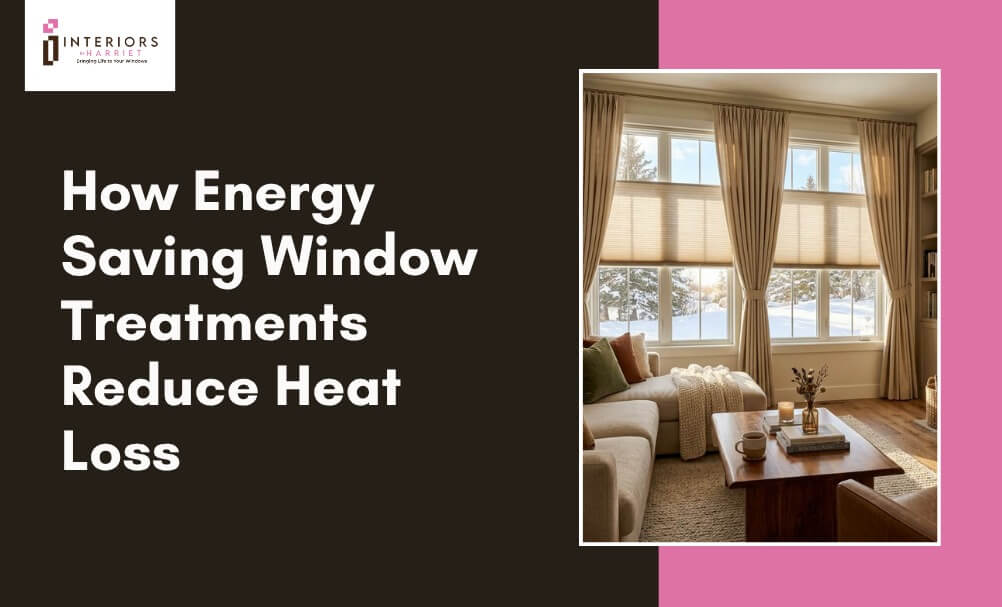
Your windows might be quietly draining your wallet. According to U.S. Department of Energy, about 30% of a home’s heating energy escapes through windows. The good news? Energy saving window treatments offer a practical, stylish way to plug that leak and keep your home comfortable year-round.
Heating and cooling costs continue to climb, more homeowners are looking for affordable upgrades that make a real difference. Replacing your windows may cost thousands of dollars. The right window coverings, on the other hand, deliver meaningful efficiency gains at a fraction of the price while adding beauty to your space.
In this guide, we’ll explore exactly how energy saving window treatments reduce heat loss, which options perform best, and how to choose the right ones for your home. Whether you’re battling winter drafts or summer heat, you’ll walk away knowing how to make your windows work for you instead of against you.
Why Windows Are a Major Source of Heat Loss
Windows are one of the weakest points in your home’s thermal envelope. Glass conducts heat far more easily than insulated walls, which means warmth slips out in winter and pours in during summer. Understanding how this happens makes it easier to fix.
Understanding Heat Transfer
Heat moves via your windows in three ways:
- Conduction: Heat passes directly through the glass itself. When it’s cold outside, warmth from inside transfers through the window and escapes.
- Convection: Air movement carries heat away. Cold drafts near windows create circulation wpulls warm air toward the glass and cools your room.
- Radiation: Heat radiates as infrared energy. In summer, sunlight streams through the glass and heats your interior. In winter, your warm furnishings radiate heat back toward the cold window.
Energy saving window treatments target all three of these processes, slowing the flow of heat in both directions.
How Much Heat Is Lost Through Windows
The numbers are shocking. The Department of Energy reports that roughly 30% of a home’s heating energy is lost via windows. In cooling seasons, about 76% of sunlight that hits standard double-pane windows enters your home and becomes heat.
That translates directly to higher utility bills. Your HVAC system has to work overtime to compensate for the heat escaping in winter and the solar gain flooding in during summer. Seasonal effects make the problem worse frigid winter nights and blazing summer afternoons both push your energy costs upward. The right window coverings can blunt these extremes.
What Are Energy Saving Window Treatments?
Definition and Purpose
Energy saving window treatments are window coverings designed to improve your home’s thermal performance. Unlike basic blinds or curtains chosen purely for looks, these treatments are engineered to reduce heat transfer, block drafts, and regulate indoor temperatures.
Key Features
What separates an energy efficient window treatment from an ordinary one comes down to a few design elements:
- Insulating fabrics: Dense, heavyweight materials slow heat transfer better than thin, loosely woven options.
- Multiple layers: Air trapped between layers acts as a natural insulator, much like the air pocket in a double-pane window.
- Tight window fit: A snug installation prevents air from sneaking around the edges, which is critical for performance.
- Light control: Smart treatments let you welcome warming sunlight in winter and block it in summers.
How Energy Saving Window Treatments Reduce Heat Loss
So how exactly do these treatments keep your home comfortable? The magic lies in several overlapping mechanisms.
Creating an Insulating Barrier
The most effective treatments add a layer of insulation between your room and the cold glass. Insulated cellular shades, for example, contain honeycomb-shaped air pockets that trap air and resist heat flow.
Blocking Cold Drafts
Cold air pooling near windows is a familiar winter annoyance. Tightly fitted window coverings reduce these drafts by limiting air movement around the glass. When installed with side tracks or hung snugly against trim, treatments cut convection and keep cold air where it belongs outside.
Reducing Thermal Transfer
By covering the glass, energy saving shades and draperies reduce conduction and radiation. Heavy draperies, when drawn during cold weather, may reduce heat loss from warm room by up to 10%, according to the Department of Energy. Insulated cellular shades go even further, cutting heat loss through windows by 40% or more when tightly installed.
Improving Indoor Comfort
Beyond the numbers, the difference is something you can feel. Varied rooms are warm in winter and cool in summer season, with fewer cold spots near windows and less harsh glare. Consistent temperatures make your living spaces noticeably more pleasant.
Lowering HVAC Workload
When your windows hold heat better, your furnace and air conditioner don’t have to work as hard. Tightly installed cellular shades can deliver roughly 10% heating energy savings. Less strain on your HVAC system means lower energy bills and a long lifespan for your equipment.
Best Energy Saving Window Treatments for Maximum Efficiency
Not all window coverings perform equally. Here are the top options for homeowners focused on efficiency.
Cellular Shades
Insulated cellular shades, often called honeycomb shades, are widely considered the gold standard for energy efficiency. Their distinctive honeycomb structure traps air in separate pockets, giving them the highest R-values of any window covering. In heating seasons, tightly installed cellular shades reduce heat loss by 40% or more. In cooling seasons, they cut unwanted solar heat gain by up to 60%. For maximum performance, choose cellular shades that operate on side tracks.
Custom Draperies
Custom draperies bring both warmth and elegance to a room. Their thermal performance depends on fabric type, weight, and color. Medium-colored draperies with white-plastic backings can reduce summer heat gain by 33%. For best results, hang draperies close to the window, let them fall to the sill or floor, and seal the edges. Two layers hung together create an even tighter air space for added insulation.
Plantation Shutters
Plantation shutters offer solid, durable coverage with a timeless look. Their fitted construction helps reduce air movement around the window, and their adjustable louvers give you control over light and solar heat gain.
Roman Shades
Roman shades combine soft fabric folds with practical insulation. Heavier fabrics improve their thermal performance, and they fit neatly inside or just outside the window casing. They’re specially effective for privacy, room darkening, and blocking sunlight, while offering a modest boost to energy efficiency.
Layered Window Treatments
Combining treatments delivers the best of both worlds. Pairing cellular shades with custom draperies, for instance, stacks multiple insulating layers and lets you fine-tune light, privacy, and warmth. Layered window treatments are a smart strategy for windows in especially cold or sun-drenched rooms.
Comparison Table
| Treatment Type | Insulation | Light Control | Privacy | Energy Savings |
|---|---|---|---|---|
| Cellular Shades | Excellent | High | High | Excellent |
| Draperies | Very Good | High | High | Very Good |
| Shutters | Good | Medium | High | Good |
| Roman Shades | Good | Medium | Medium | Good |
Benefits Beyond Energy Savings
Energy efficiency is just the beginning. The right window coverings improve your home in several other ways.
Lower Utility Bills
The most immediate payoff shows up on your monthly statement. By lessening heat loss in winter and solar gain in summer, energy saving window treatments ease the load on your HVAC system and lower your energy bills.
Increased Comfort
Stable indoor temperatures mean fewer cold drafts in January and less stuffy heat in July. Your home simply feels better to live in throughout the year.
Better Light Control
Quality treatments let you manage daylight on your terms. Welcome morning sun, soften harsh afternoon glare, or darken a room completely for movie night or sleep.
Improved Privacy
Window coverings keep prying eyes out while still letting you enjoy natural light. This is especially valuable for street-facing rooms and bedrooms.
Enhanced Interior Design
Custom window treatments are a finishing touch that pulls a room together. With endless fabrics, colors, and styles available, you can boost efficiency while elevating your home’s overall aesthetic.
Choosing the Right Energy Saving Window Treatments
The best treatment for your home depends on several factors. Here’s what to weigh before you buy.
Window Size and Shape
Large picture windows lose more heat than small ones, so prioritize high-insulation options like cellular shades for them. Unusual shapes, arches, bays, or floor-to-ceiling glass often require custom solutions for a proper fit.
Climate Considerations
Your local climate shapes your priorities. In cold northern regions, focus on maximizing insulation and blocking drafts. In hot southern climates, emphasize blocking solar heat gain. Many homeowners need treatments that handle both.
Fabric Selection
Fabric choice has a big impact on performance. Denser, heavier materials insulate better than thin ones. Color matters too; lighter shades reflect more summer sunlight, while certain backings boost heat-blocking power.
Motorization Options
Motorized window shades add convenience and can improve efficiency. Automated treatments can open and close on a seasonal schedule, capturing warming sunlight in winter and blocking it in summer without you lifting a finger. They’re especially handy for hard-to-reach windows.
Professional Measurement and Installation
Even the best treatment underperforms if it doesn’t fit properly. Precise measurement and expert installation ensure a tight seal with no gaps for air to escape. This is where professional guidance pays off.
Common Mistakes Homeowners Make
Avoid these frequent pitfalls when shopping for window coverings:
- Choosing style over efficiency: A gorgeous treatment that does nothing for insulation is a missed opportunity. Look for both.
- Incorrect measurements: Even small gaps let air escape and undercut performance.
- Poor installation: A loosely mounted treatment can’t seal out drafts effectively.
- Ignoring fabric performance: Thin, decorative fabrics offer little thermal benefit.
- Not considering room orientation: South- and west-facing windows get more sun, so they need different treatments than north-facing windows.
Why Custom Window Treatments Perform Better
Off-the-shelf options rarely match the performance of custom window treatments, and the reasons go beyond appearance.
- Better fit: Custom treatments are made to your exact window dimensions, sealing out drafts more effectively.
- Reduced air gaps: A fit eliminates the small openings which let heat escape.
- Higher-quality materials: Custom options may use more durable, better-insulating fabrics.
- Long-term value: Built to last, they save money over years of use.
- Improved aesthetics: A tailored look enhances your home in a way standard sizes can’t match.
Are Energy Saving Window Treatments Worth the Investment?
Cost vs Long-Term Savings
Quality window treatments require an upfront investment, but they pay you back later By trimming heating and cooling costs month after month, they offset their initial price. Compared to full window replacement, they’re a far more affordable path to a more efficient home.
Return on Investment
The savings add up. With tightly installed cellular shades delivering around 10% heating energy savings, the reduction in your bills accumulates year after year. The more extreme your climate, the faster you’ll see a return.
Home Value Benefits
Energy efficient home upgrades appeal to buyers. Attractive, high-performing window treatments can boost your home’s resale value and help it stand out on the market, a benefit you enjoy even before you sell.
Frequently Asked Questions
Do energy saving window treatments really work?
Yes. Research from the U.S. Department of Energy shows that tightly installed cellular shades can reduce heat loss through windows by 40% or more, equating to roughly 10% heating energy savings. Draperies, shutters, and other insulated coverings also deliver measurable results when properly fitted.
Which window treatment provides the best insulation?
Insulated cellular shades offer the best insulation of any window covering. Their honeycomb design traps air in separate pockets, giving them the highest R-values. For maximum efficiency, choose cellular shades that operate on side tracks for a tight seal.
Can window treatments lower heating costs?
Absolutely. By reducing heat loss through your windows, energy saving window treatments ease the burden on your heating system. Tightly installed cellular shades can cut heating energy use by about 10%, and drawn draperies can reduce heat loss by up to 10% as well.
Are cellular shades better than traditional blinds?
For energy efficiency, yes. Traditional blinds have many openings between the slats, making it hard to control heat loss. Cellular shades trap air in their honeycomb cells, providing far better insulation and significantly more energy savings.
Should I choose custom window treatments for energy efficiency?
Custom window treatments are the smart choice if energy efficiency is a priority. A precise, made-to-measure fit seals out drafts and eliminates the air gaps that undermine off-the-shelf options. They also use higher-quality materials and last longer, delivering better value over time.
Make Your Windows Work for You
Energy saving window treatments are one of smartest upgrades you can make for your home. They reduce heat loss, keep your rooms comfortable through every season, and lower your energy bills, all while adding style and value to your space. From insulated cellular shades to custom draperies and shutters, the right choice depends on your windows, your climate, and your goals.
Ready to transform your windows into a source of comfort and savings? The team at Interiors by Harriet specializes in custom window treatments designed for both efficiency and elegance.
Schedule a consultation today and discover how the right treatments may make your home warmer, more comfortable, and more affordable to run.